When a small tool does real work
Restless hands on a hard chair, a long wait, homework that will not start, or travel that will not end—those are the kinds of moments where a discreet fidget can quietly help. Giving the hands something repeatable and contained often makes it easier to stay with the task in front of you.
- School and homework without a complicated setup
- Waiting rooms, cars, and other stuck-in-one-place days
- Anyone who calms through touch, squeeze, or small movement
- Gift ideas that feel practical for kids, teens, and adults
Finding the words for what you need
People land here with different phrases—“sensory toy,” “desk fidget,” something for the classroom, something tactile. However you say it, the aim is the same: a hands-on tool that fits how this person already settles and concentrates. When you are ready, the shop and the gift quiz can help match habits to products instead of trends.
How to choose the right sensory tool
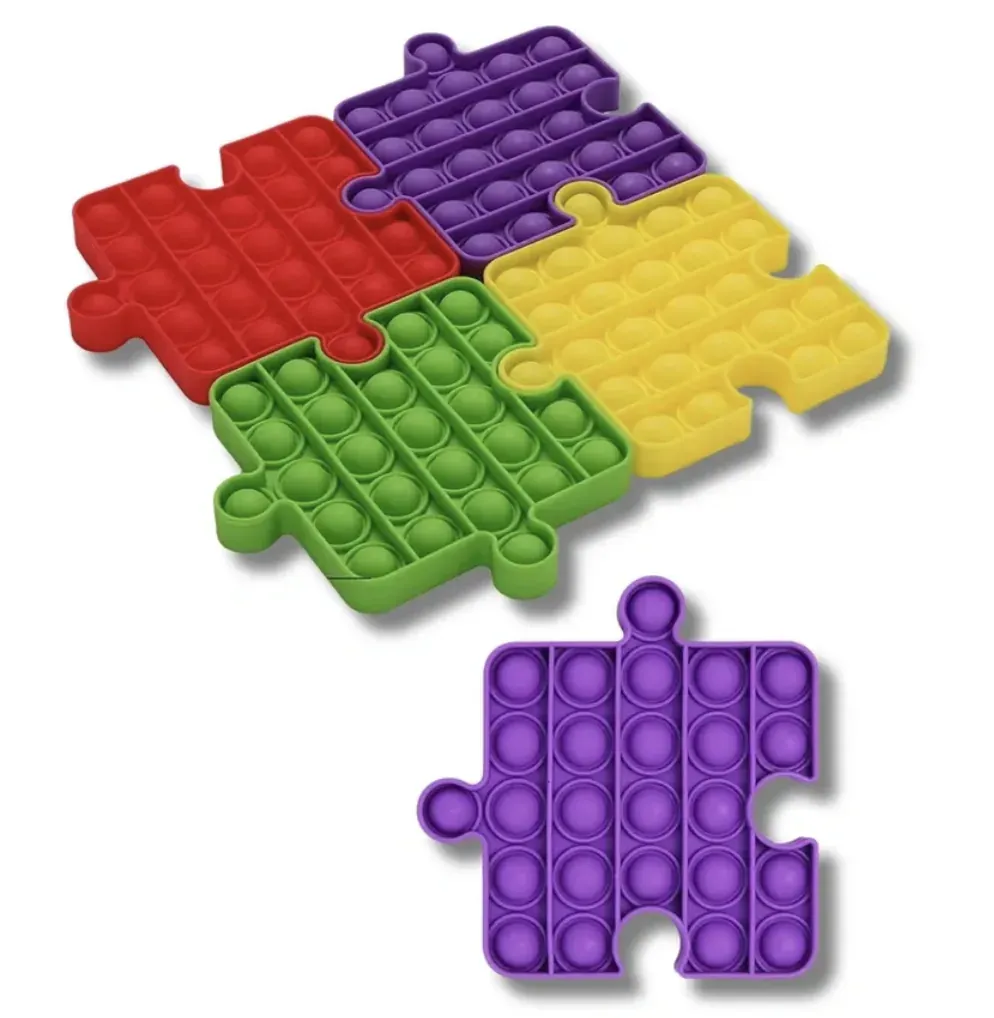
Start with the kind of input the person already seeks. Do they squeeze, pop, twist, rub, tap, or pull? A product works best when it matches the pattern their body already uses to regulate. If you are not sure yet, that is normal—many people try a few textures or motions before one feels right.
Fidget tools also work well as low-pressure gifts because they are easy to use, easy to carry, and helpful in many environments.